Creative Coding / Generative Design / Research
What is a Line?
A generative system built from one continuous line, an open-ended prompt, and a sketchbook experiment that kept unfolding.
2026
p5.js / Interactive Sketch
Line / Motion / Perception
Creative Coding / Generative Design / Research
A generative system built from one continuous line, an open-ended prompt, and a sketchbook experiment that kept unfolding.
2026
p5.js / Interactive Sketch
Line / Motion / Perception
As part of the Pratt MFA Communication Design application, applicants were asked to create a visual response to the prompt: What is a line, and what can it do?
The assignment was intentionally open-ended. Rather than treating it as a formal design exercise with a single answer, I approached it as a question that could stay active. The final response became less about defining a line and more about building a system that could keep testing what a line might become.
The project began in a sketchbook. In the lower corner of each page, I drew one line, changing it slightly from page to page. When the pages were flipped quickly, the line appeared to move.
As the drawings accumulated, I became interested in how little information was needed for a line to become recognizable. A small shift could turn an abstract mark into an object, a gesture, a letterform, or a figure. The same line could become almost anything depending on context and motion.
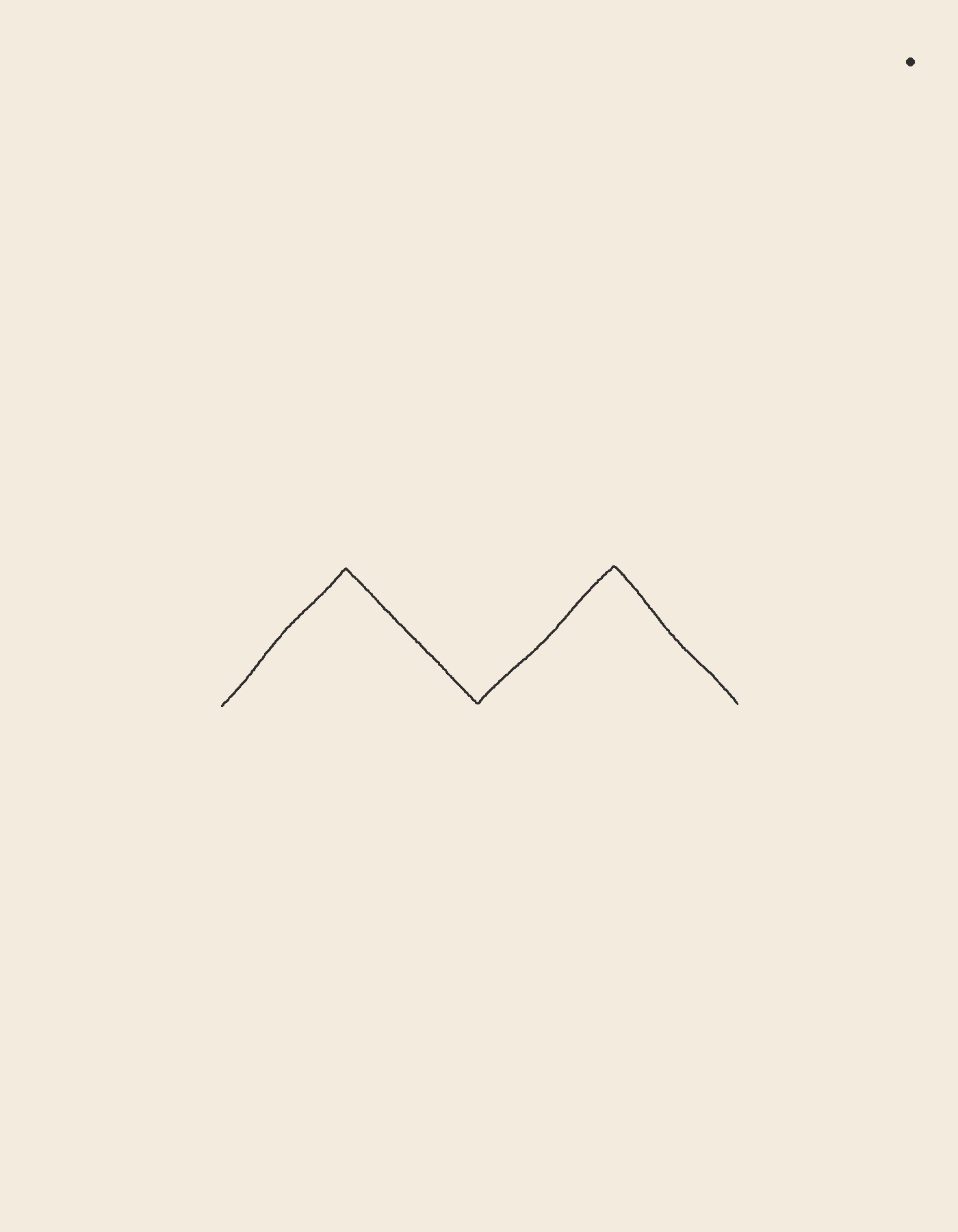
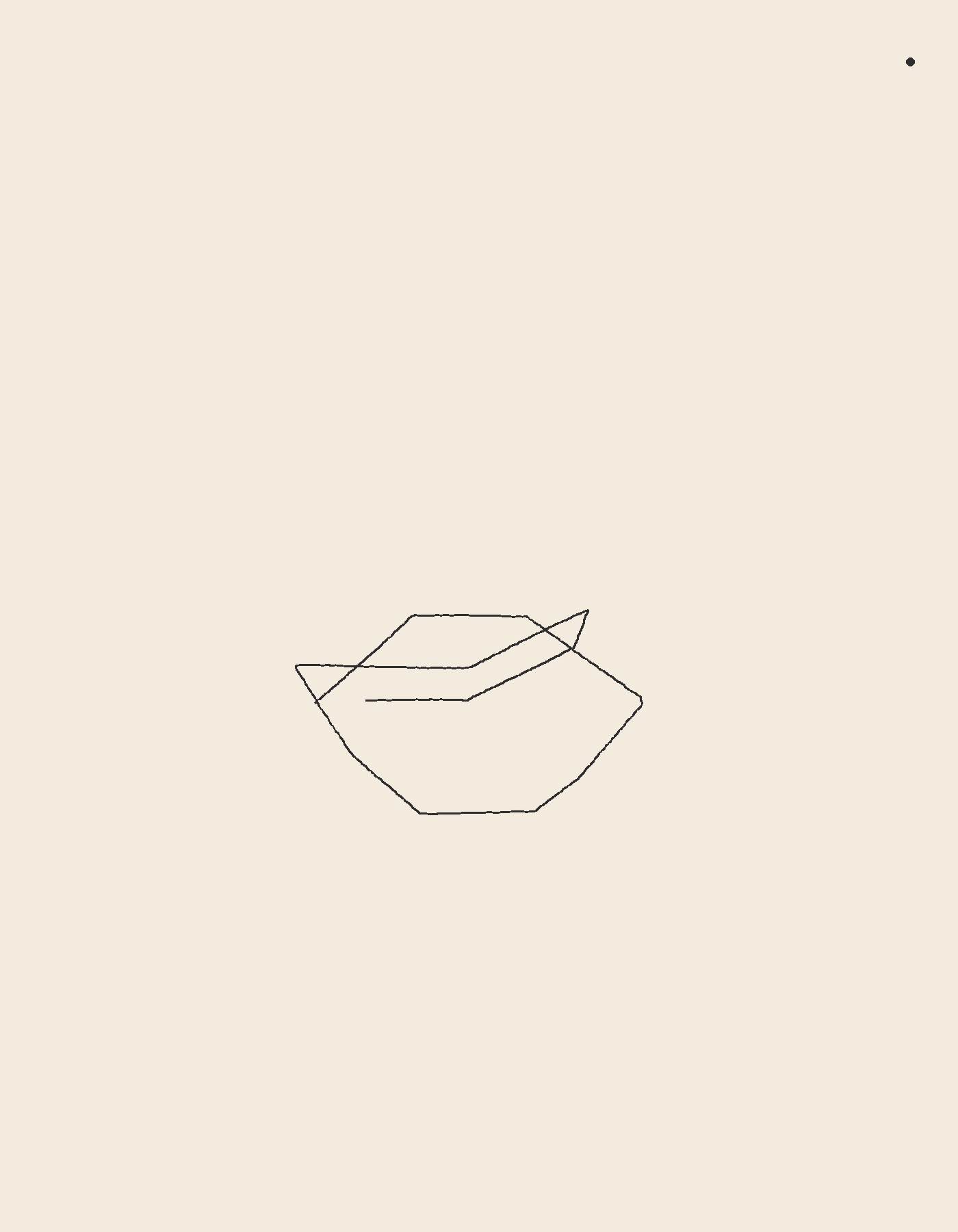
The sketchbook eventually ran out of pages, but the idea did not. To continue the experiment, I translated the flipbook into code. Instead of producing a finite sequence of drawings, I built a system that continuously generates new forms from a single animated line.
Each object outline is resampled into the same number of points, allowing one path to ease into the next. A bird can become a planet, a boat can become a house, and a letterform can become an everyday object. Subtle noise gives the line a quiet, hand-drawn instability, so the movement never feels completely mechanical.
The line moves through recognizable and unrecognizable states: objects, symbols, gestures, and abstractions appear briefly before dissolving into something else. There is no beginning, end, or final image. The work exists as an ongoing process of transformation.
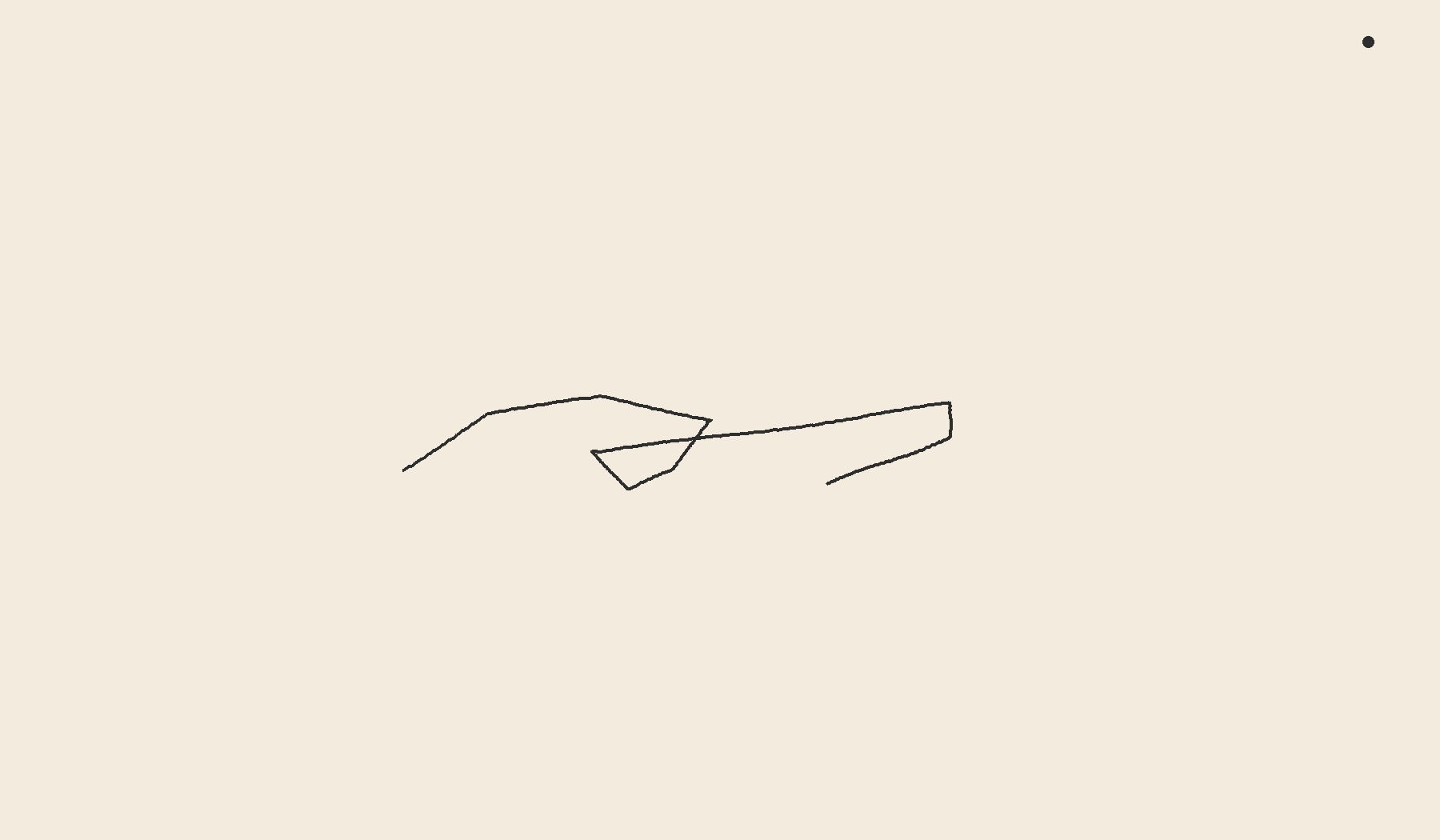
My answer to the prompt was ultimately simple: a line is not one thing. It can become almost anything depending on context, movement, and perception.
Looking back, the project feels representative of how I approach design more broadly. Rather than searching for a single answer, I am interested in building frameworks that generate many possible answers. The line became less important than the rules governing its transformation.
This approach sits somewhere between art, design, and experimentation. My background is in studio art, but I am drawn to systematic ways of working: setting parameters, observing outcomes, and using structure as a tool for discovery. The project became an early example of how I think as a designer: creating rules, then watching those rules uncover possibilities I could not have predicted in advance.